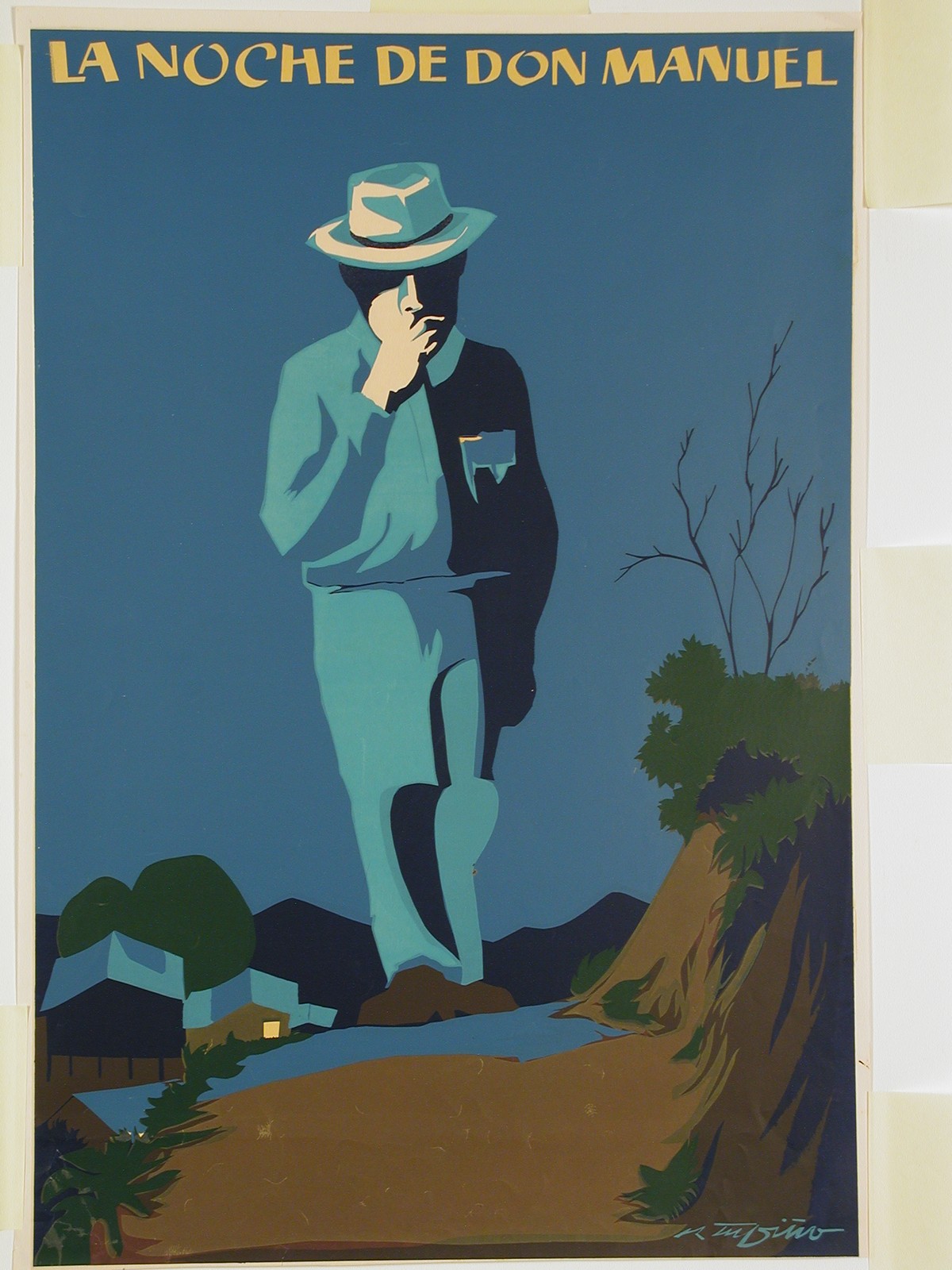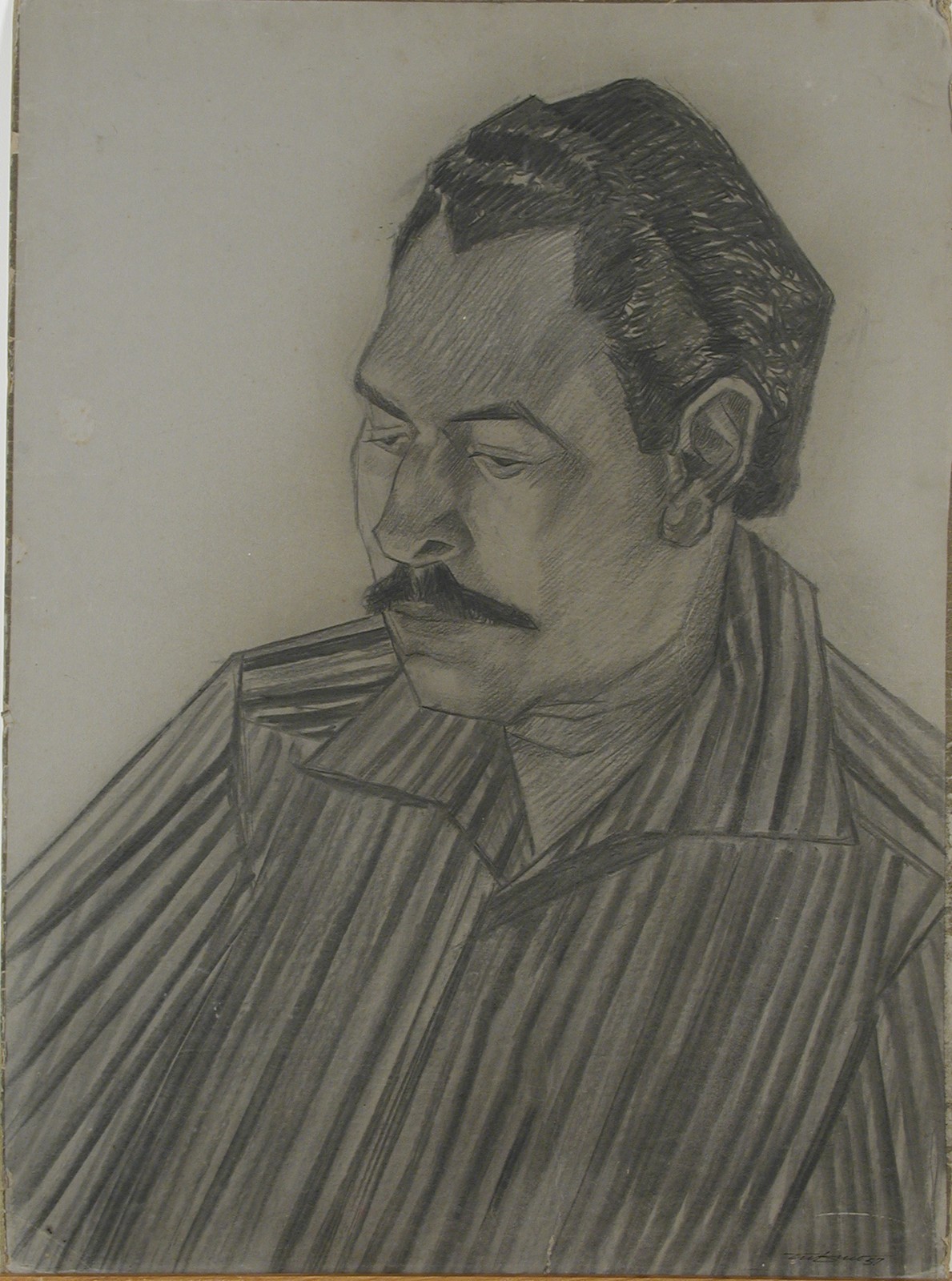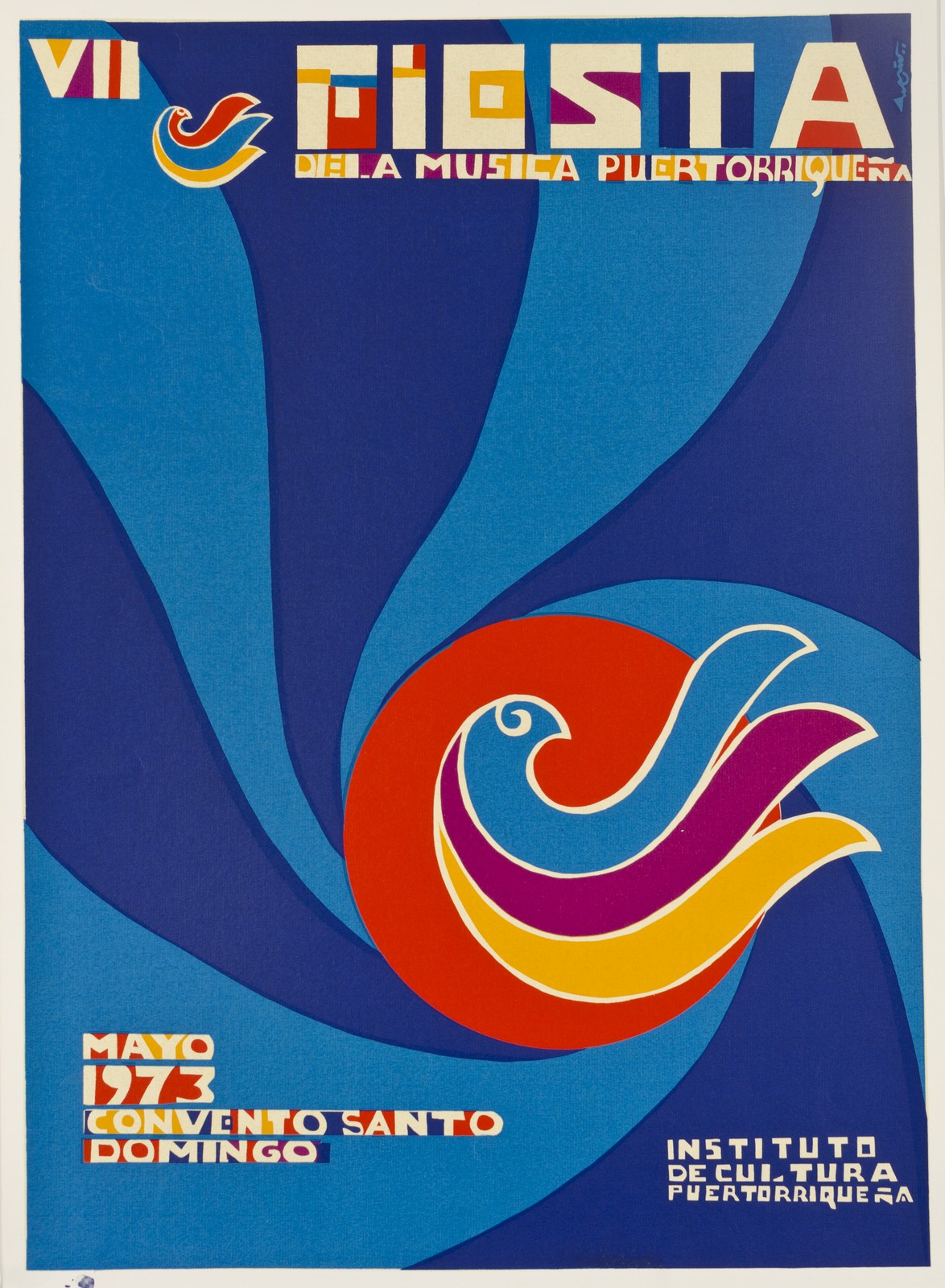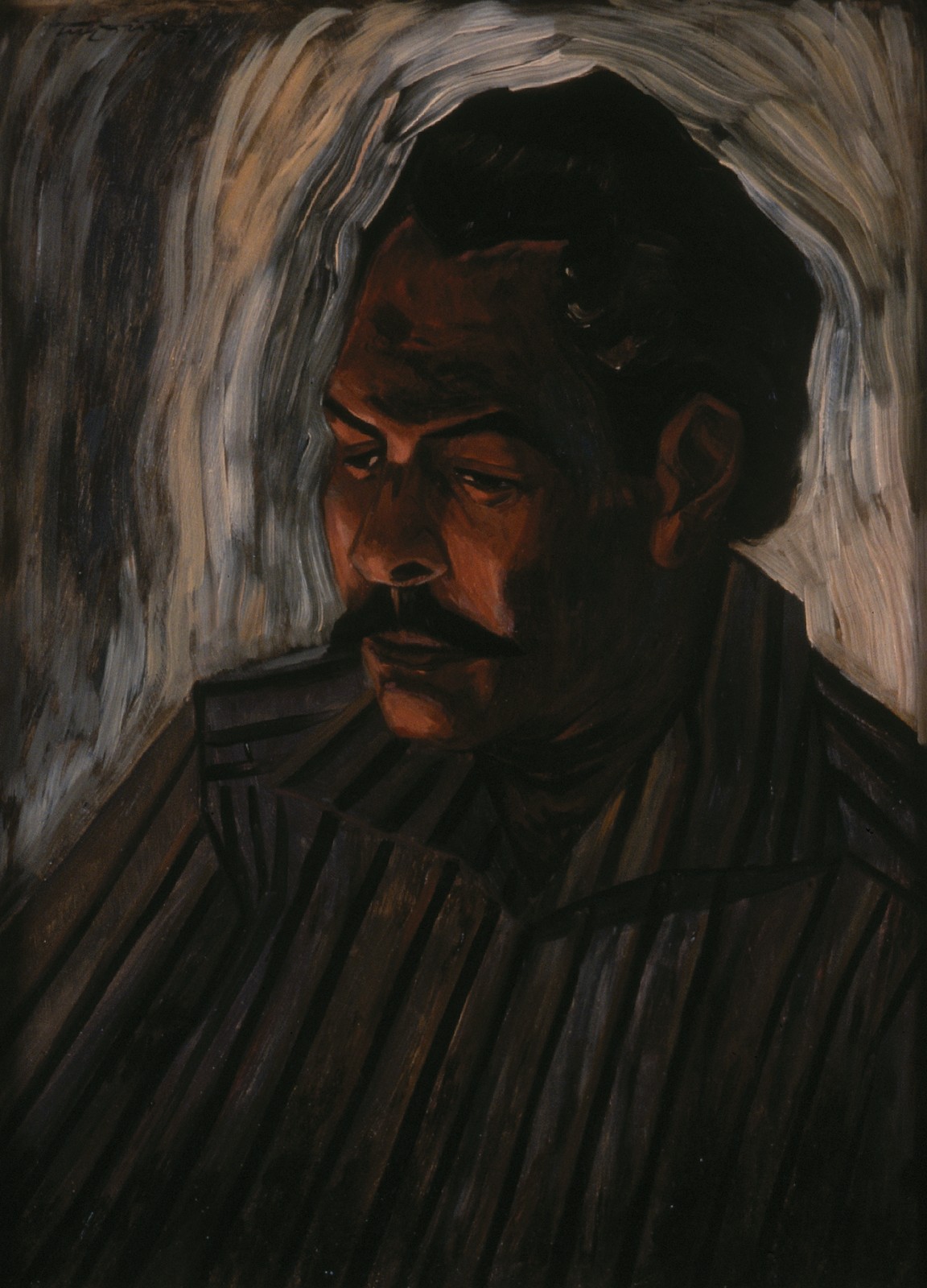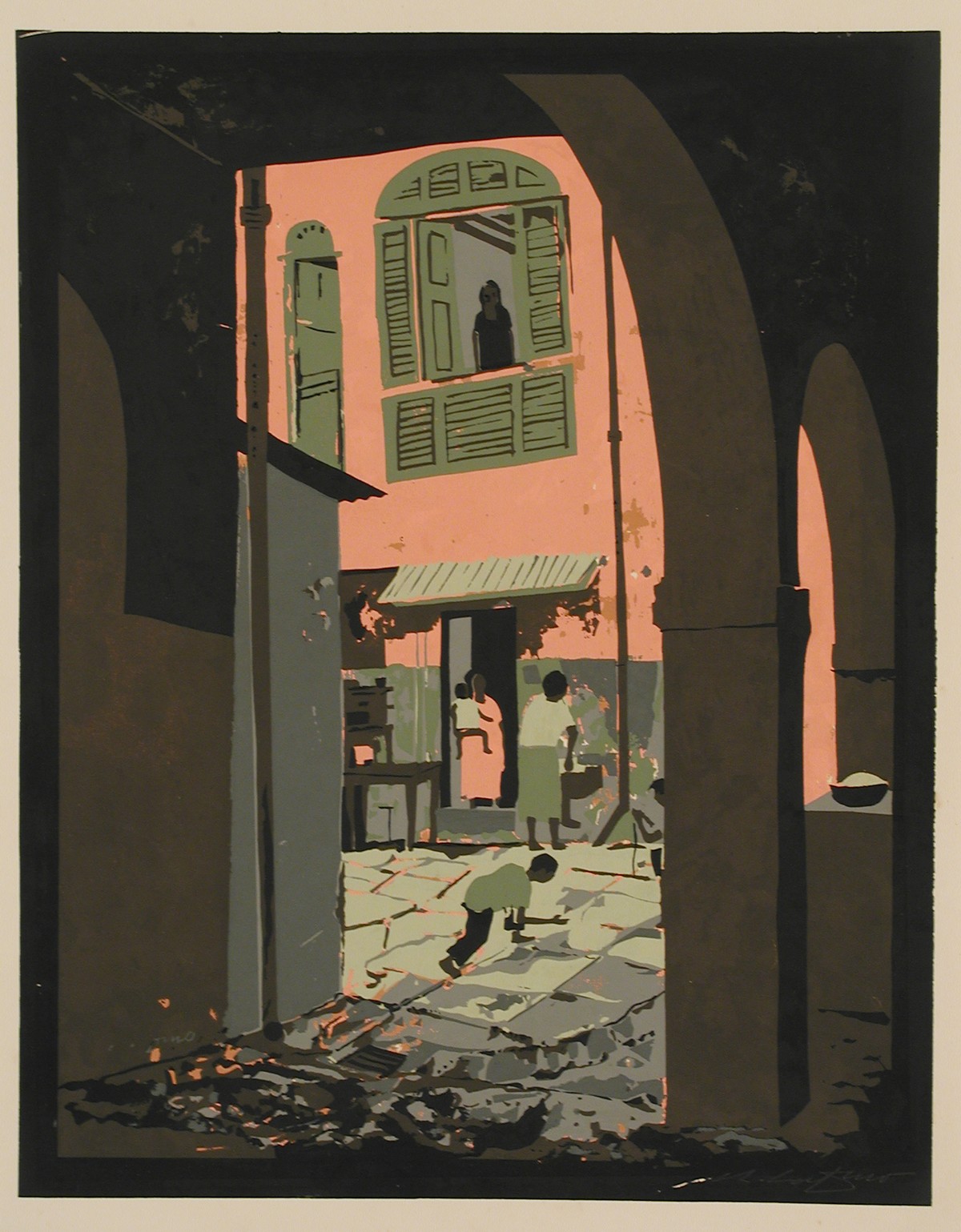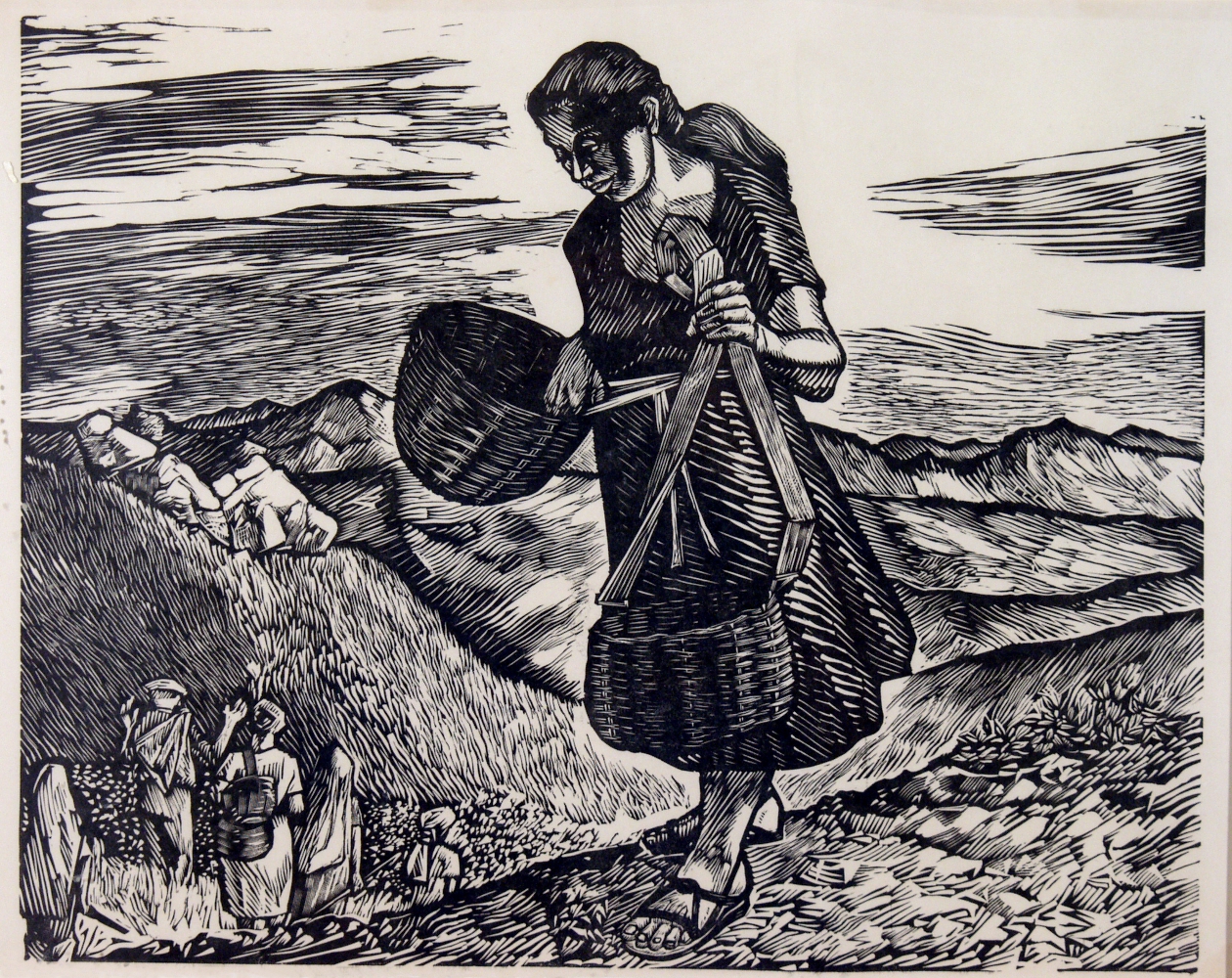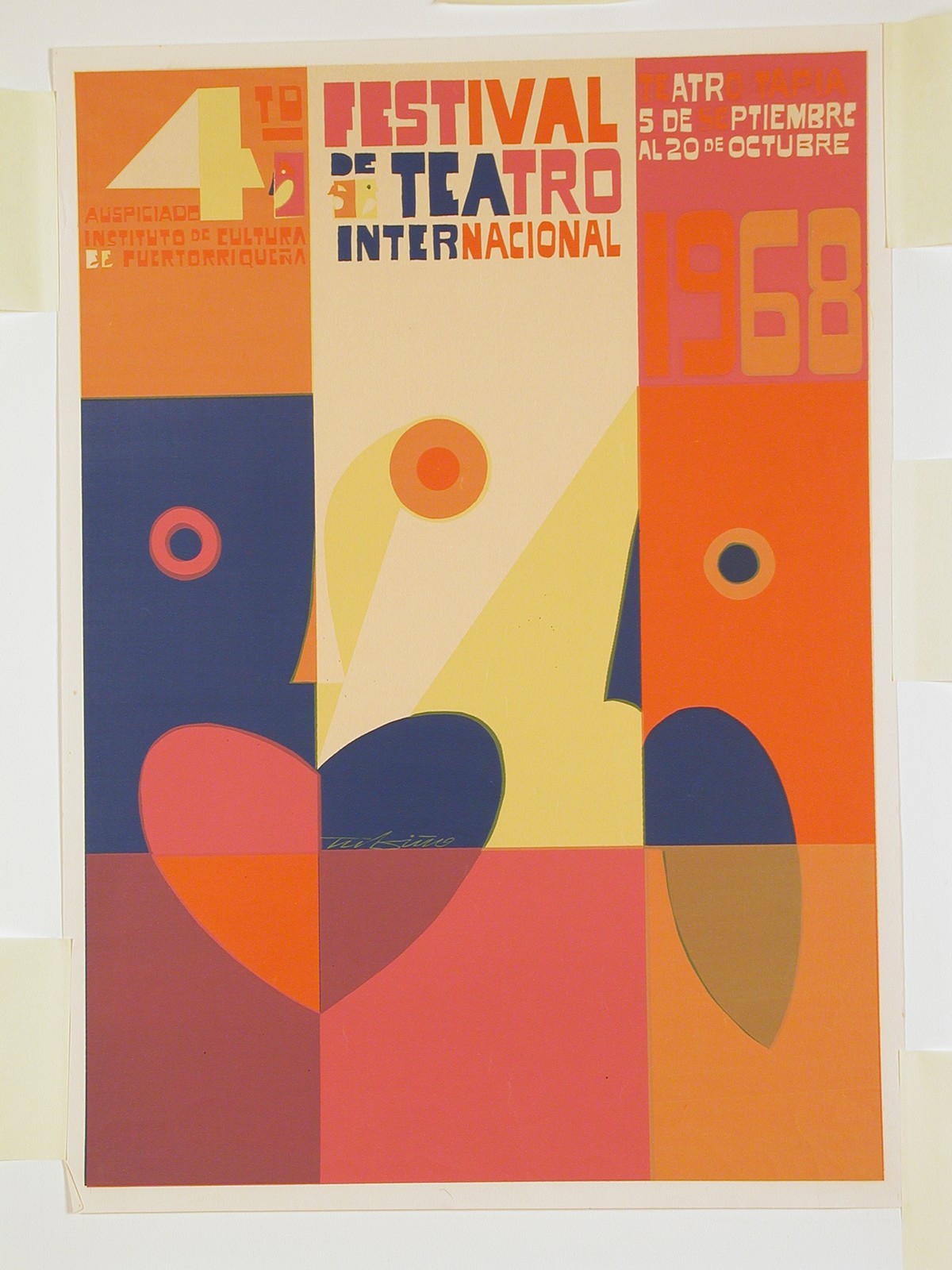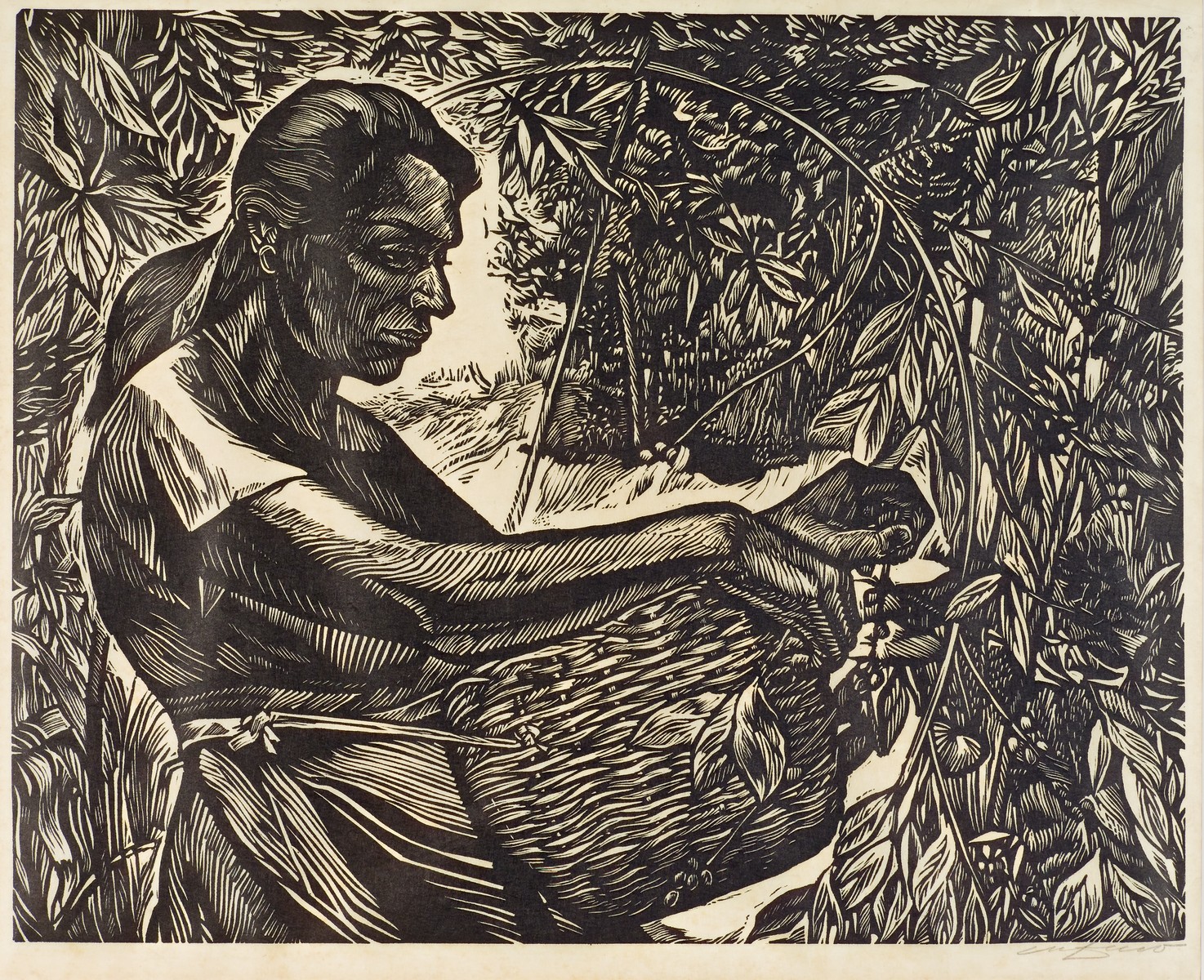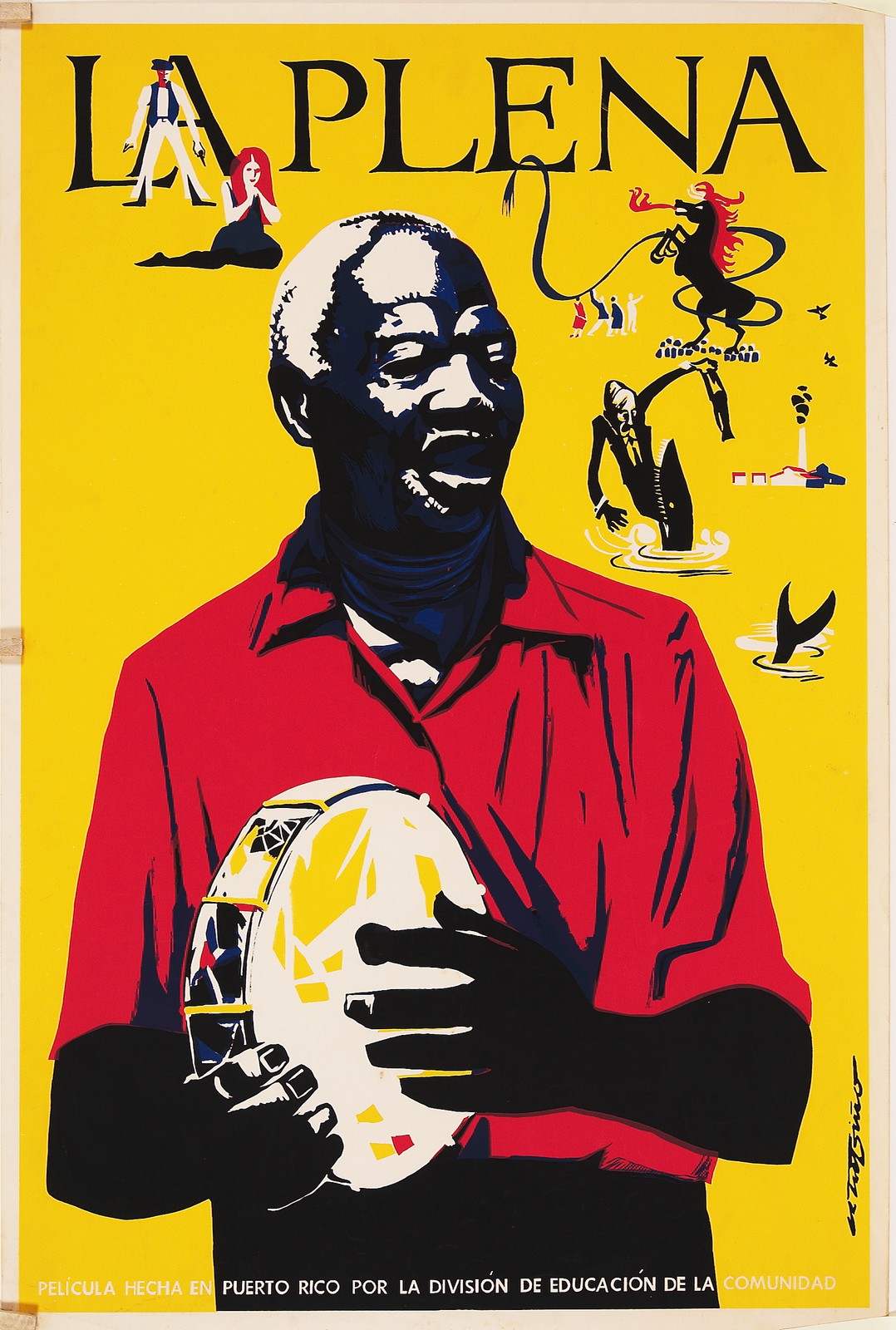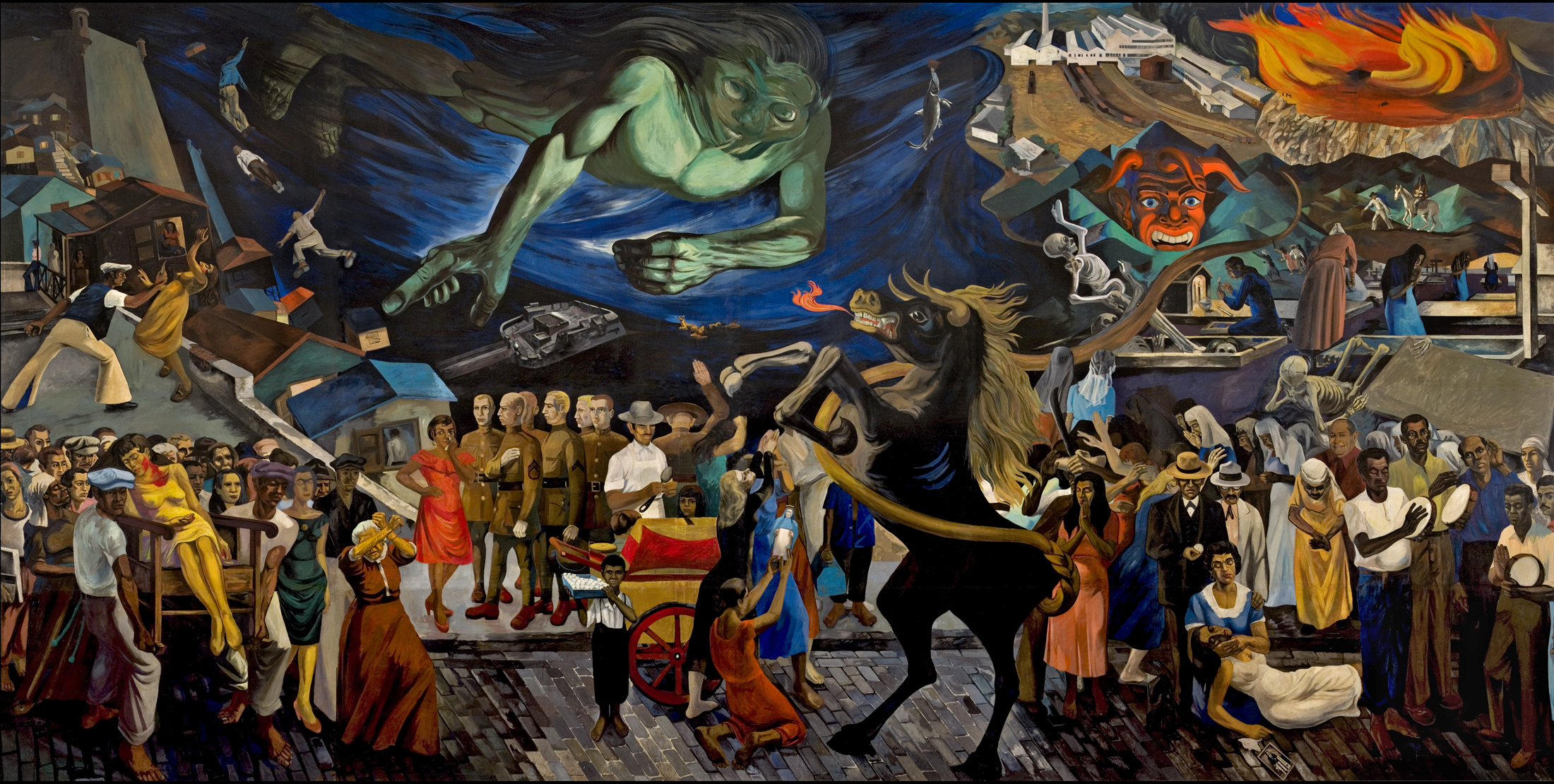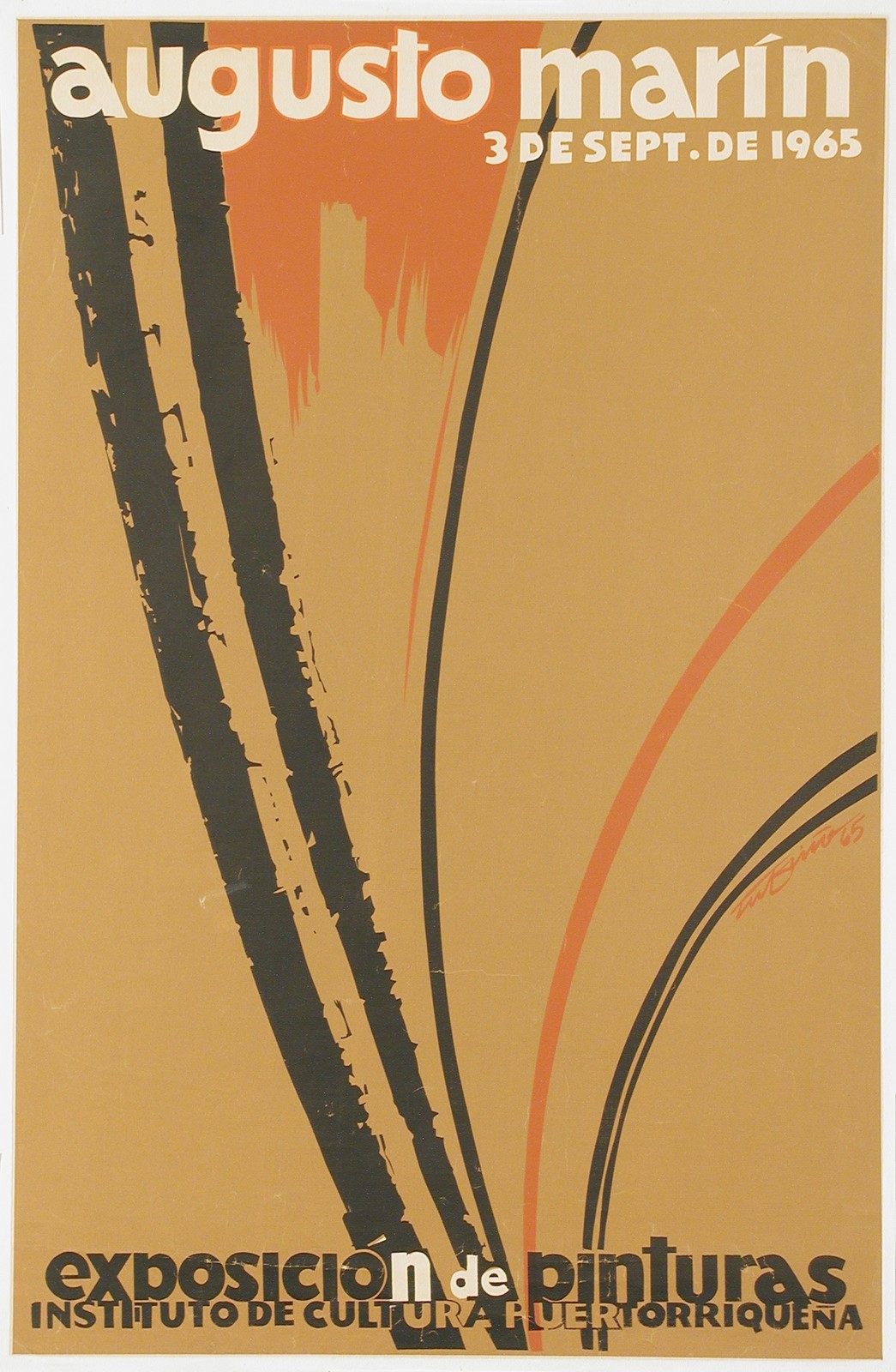
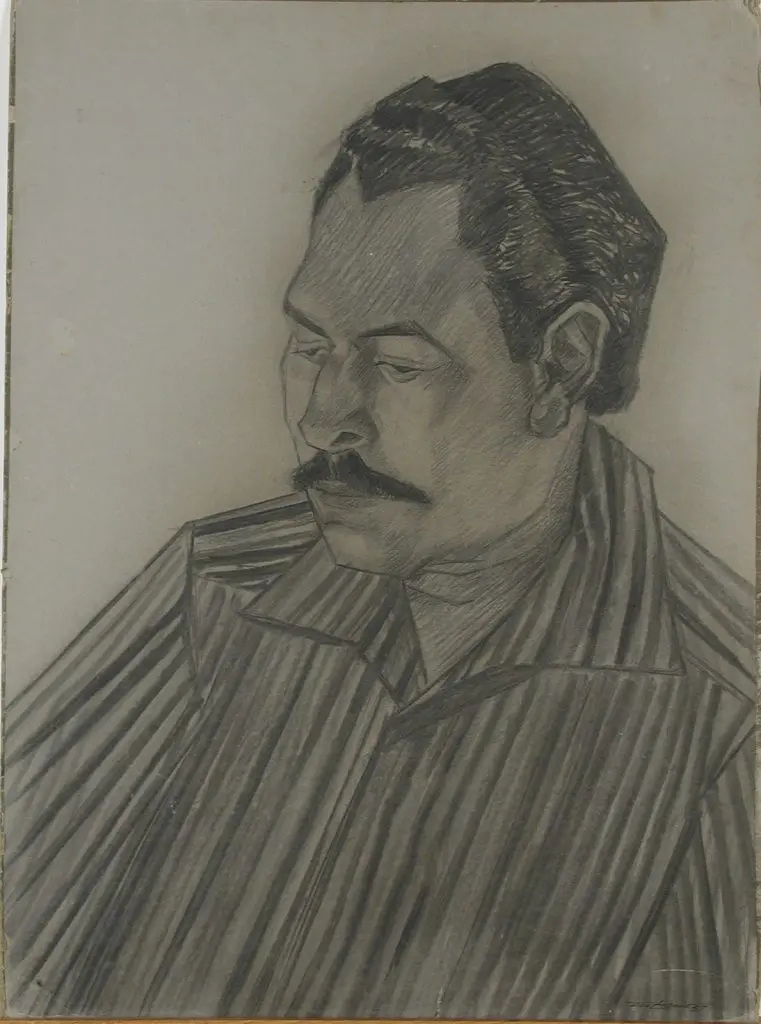
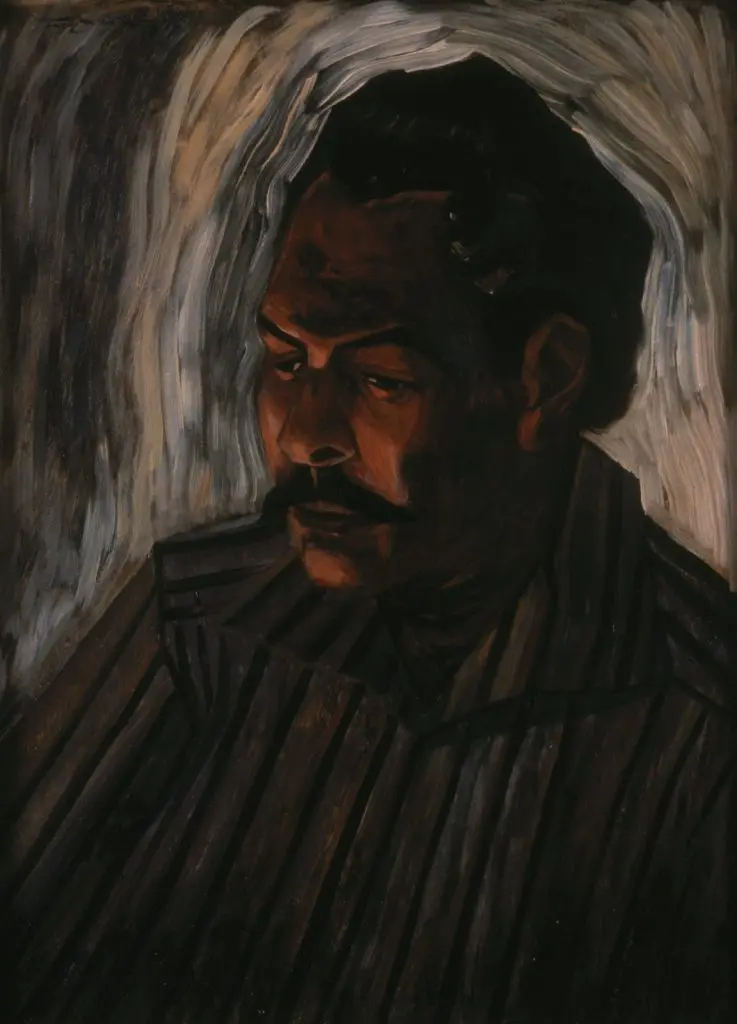
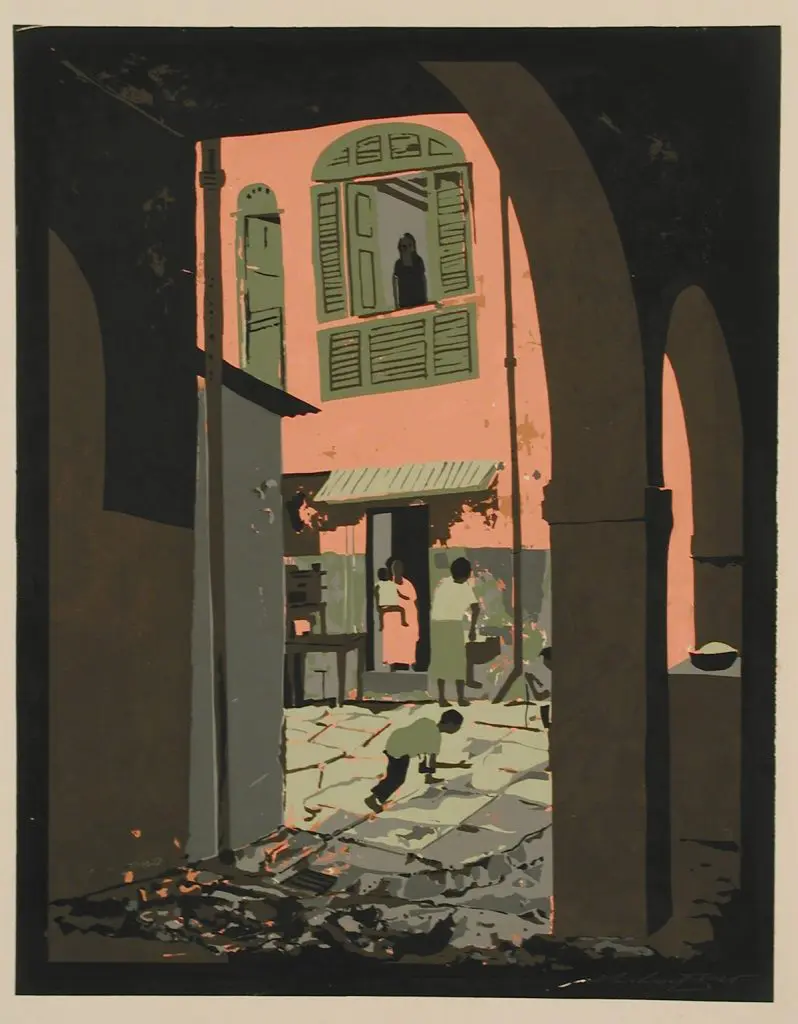
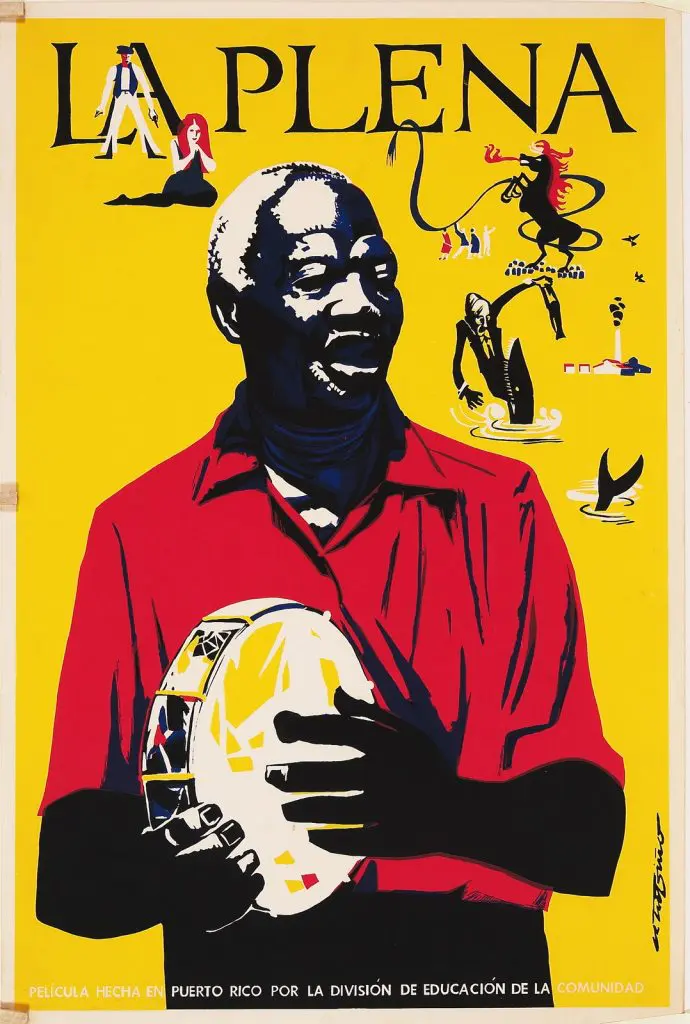
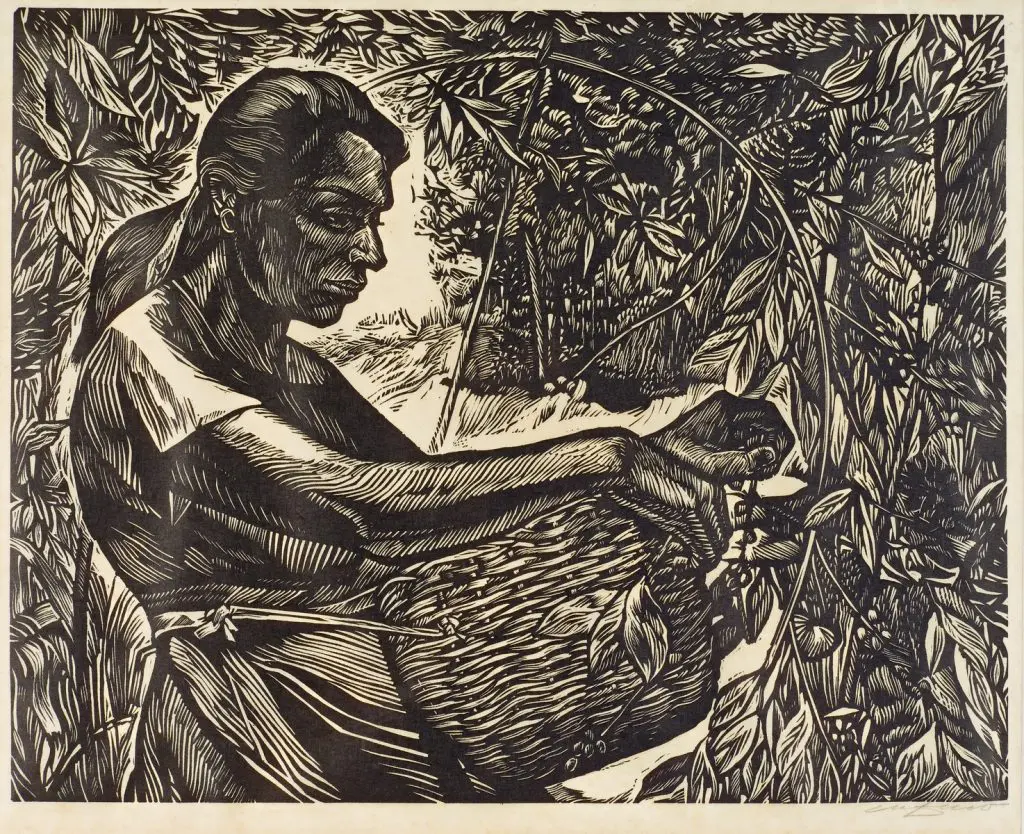
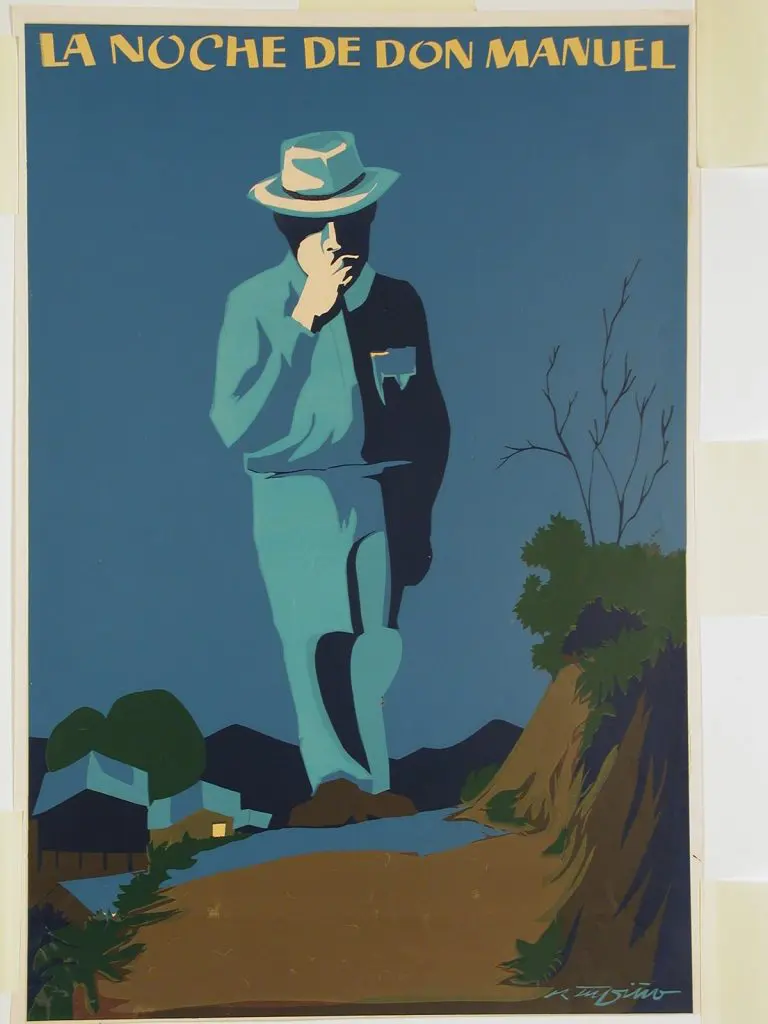
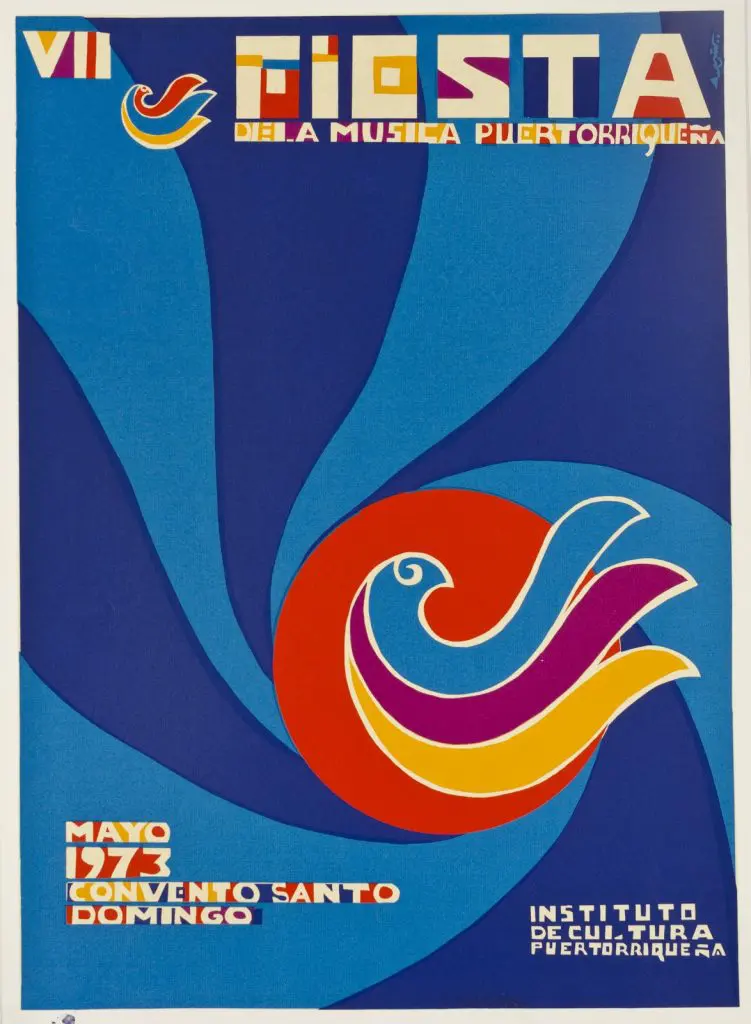
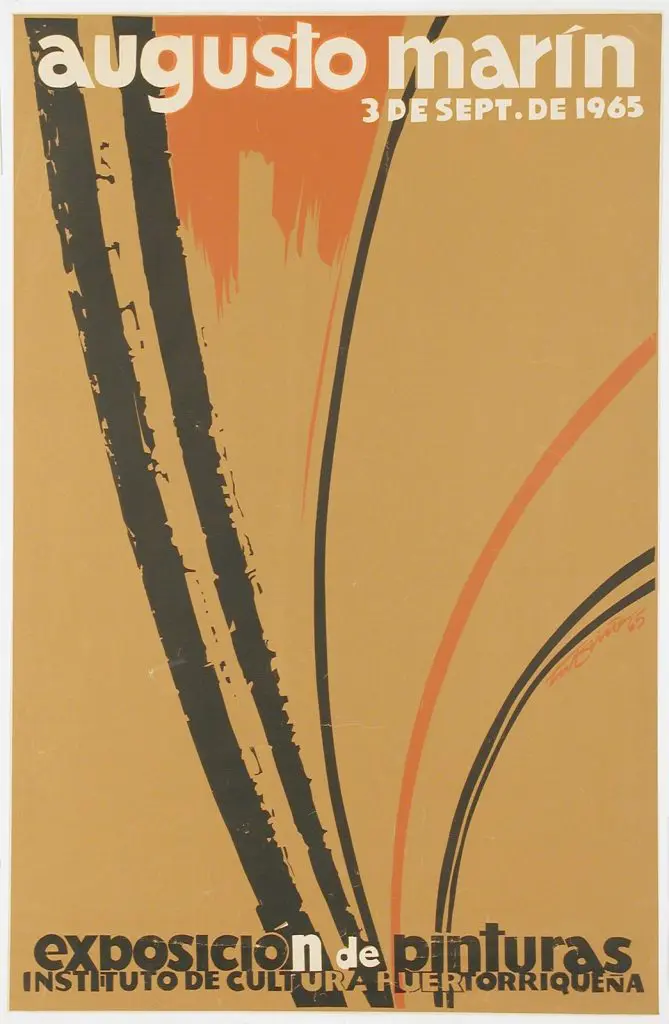
Printmaker, painter, illustrator, muralist and draftsman. Of Puerto Rican parents, he came to the island as a child, and began his art training with Alejandro Sánchez Felipe and Juan Rosado. He studied printmaking and mural technique at the San Carlos Academy in Mexico. He cofounded the Center for Puerto Rican Art in 1950 and painted his monumental work “La plena” (1952‑1954) which was exhibited for many years at the Fine Arts Center in Santurce and which now graces the walls of the Museo de Arte de Puerto Rico. From 1952 to 1967 he worked at the Printmaking Workshop of the Community Education Division and then founded the Puerto Rican Workshop (“Taller Boricua”) in New York (1970‑1974). He was awarded numerous distinctions, such as the Guggenheim Fellowship (1954), with which he produced the portfolio entitled “El café” –the first one created by a single artist in Puerto Rico–, the National Culture Award of the Institute of Puerto Rican Culture (1987), and in 2013 the city named 103rd Street in Harlem in New York as the “Rafael Tufiño Way”. He was a tireless creator and one of the artists who truly represented the best Puerto Rican tradition of printmaking. Although he favored the figurative style, he also explored others such as abstraction, but always with particular attention to design and to achieve harmony among all the plastic elements in his work.
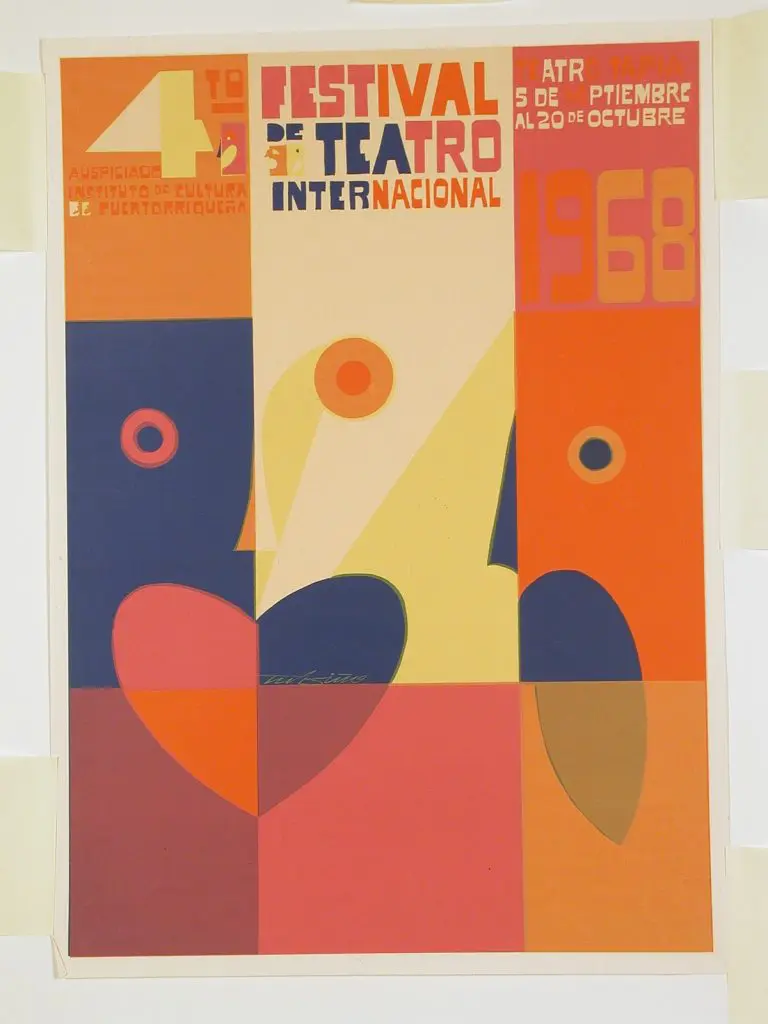
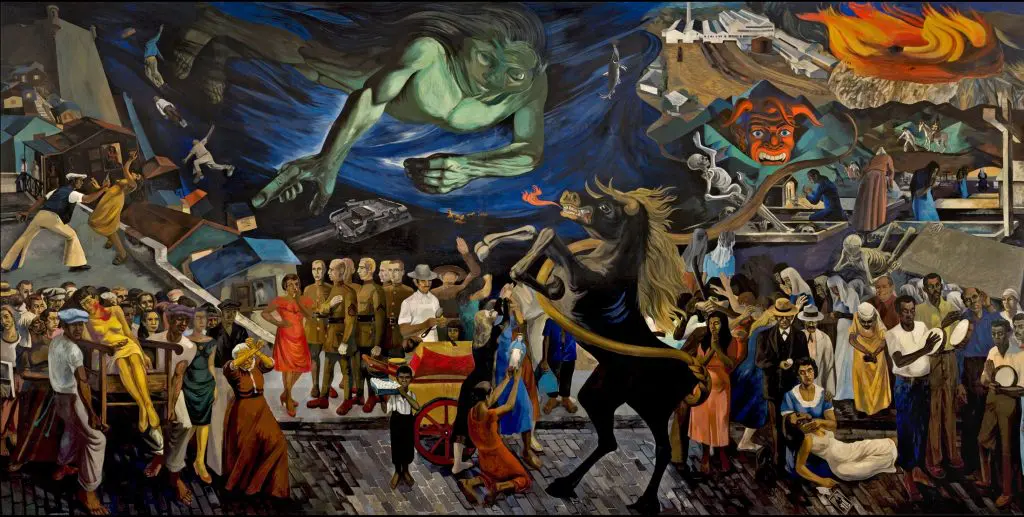
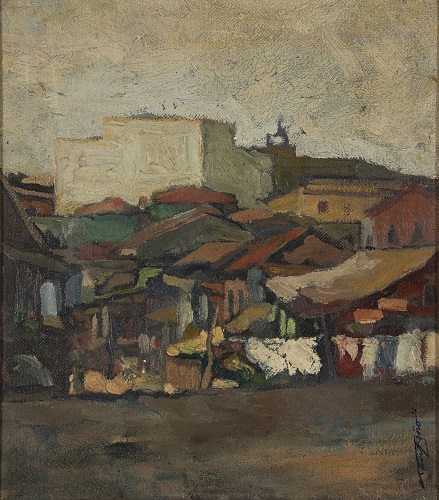
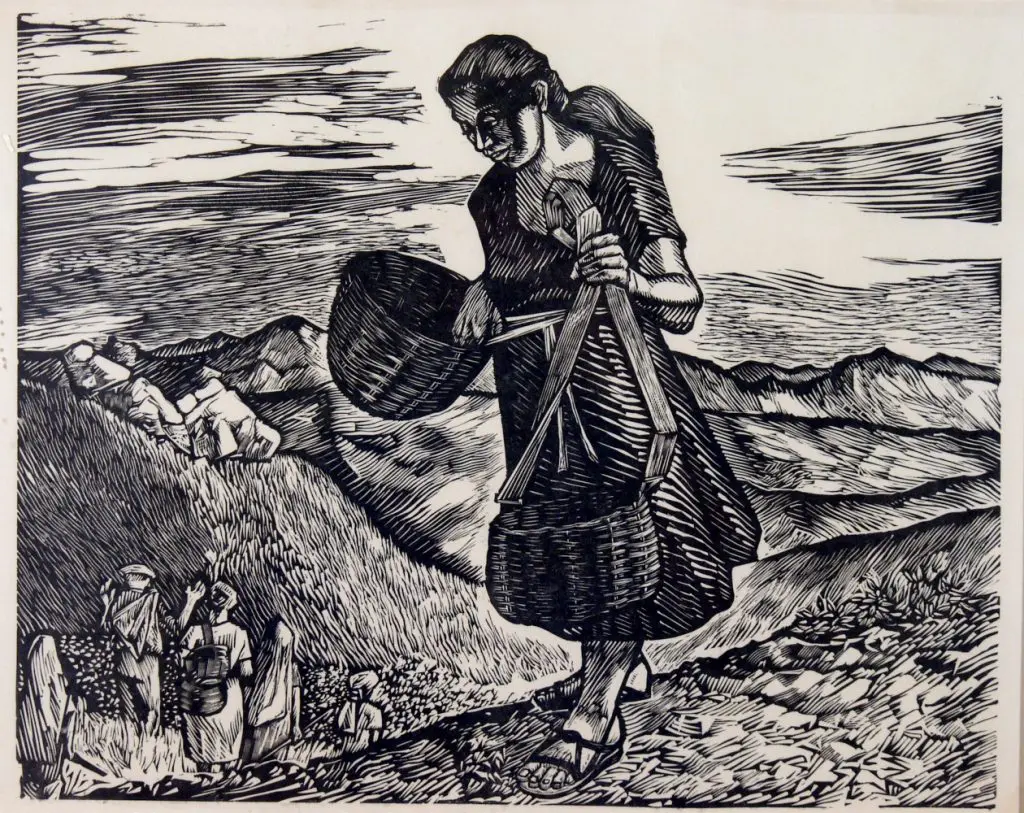
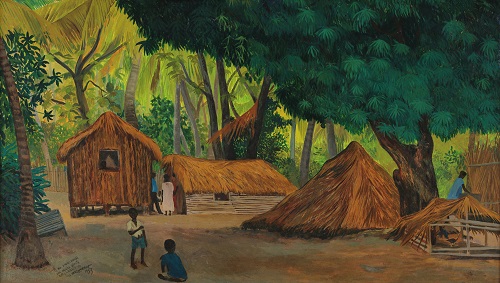
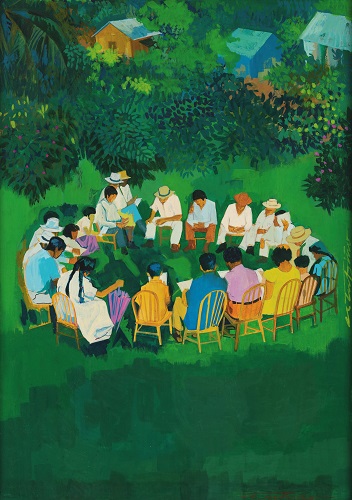
It is obvious that we still have much to do, especially concerning the creation of a truly mural painting in Puerto Rico. The life of our people consist of dramatic elements, both in urban and in rural areas, it’s there, surrounded by one of the most beautiful landscapes of the orb, waiting to be transferred to cover the walls, currently bare, of our public buildings and cultural institutions.. But it is clear that mural painting, as an expression of a nation, does not emerge as a result of having in it individuals who know a technique or those who have the passion to devote themselves to the hard task of creating this kind of art. Before that, it is necessary, that cultural counselors of this pictorial nation provide the necessary knowledge for the cultural advancement of that population. And Puerto Rico, unlike Mexico, whose government has provided its painters all sorts of resources to make their creative work, seems to be still quite far from that.`
However, I am aware that I am not giving in to some audacious thought if I affirm that, the day the people who run the governmental institutions in our country, and especially our educators, proffer our painters the opportunity to submit projects for the realization of murals in public buildings is not too far away, which will be a significant step forward for the popularization of this art form that might become an expression of our culture… And I’ll go further by affirming that whoever assumes the responsibility of offering this opportunity to our painters will not be disappointed, since there are in our country those who can perform with dignity these tasks that are synthesis of a genuine artistic maturity…
Our duty is to continue to work with passion, because when Puerto Rican painting reaches its full development, it will become one of the purest expressions of our people’s way of life.
Rafael Tufiño, 1950
«I studied painting and drawing at the Painting Faculty of Academia San Carlos. I studied fresco, the technique of fresco painting. They do not teach you composition, because the mural painting is essentially the composition and not all create well, they do not know much.
Look one thing that happened to me was that as I came out of the Division (Divedco) and started to look at the Church of San José (old San Juan) things seem weird to me, why is the door here and not there and why is the window at this place and not over there. I struggled with that for a few years. Until I discovered that it was dynamic symmetry, which is used in film. That comes from the Greeks, take a painter like Seurat, his compositions are of dynamic symmetry. As well as Picasso and all of them. The issue is that I caught on to it and started teaching about it to students.
… Dynamic symmetry is the rule, the law of the snail is the basics, without drawing it stands for a square, the diagonal gives you the rectangle and so it starts becoming another rectangle and then from the square a curve is formed. Well designed things are done based on symmetry, from that type of composition»
1947-1950
1936-1943
1937-1938
2000
1980
1972
1970-1974
1969
1967-1968
1967-1973
1966-1968
1966
1965
1963-1967
1962
1960-1963
1960
1959
1958
1957
1957-1963
1956
1954
1953
1953-1955
1952-1953
1952
1951-1963
1950
1950-1963
1940
1939-40
2013
2003
2001
1992
1991
1985
1980
1974
1967
1963
1962
1961
1958
1956
1949
1942
2013
2012
2007
2000
1999
1998-2000
1996
1995
1993
1992
1988
1987-1988
1986
1985
1984
1977-1978
1977
1974
1973
1970
1966-1967
1965
1965-1966
1964
1963
1962
1961
1960
1959
1958
1957
1956
1954
1941
2013
2006
2003
2002
1999
1996
1993
1990
1986
1974
1961
1957
1954
1952
1951
1947-1949
Benítez, Marimar. Colección de Arte Latinoamericano. Museo de Arte de Ponce. Ponce, Puerto Rico, 1994, pp. 17, 143-145.
Benítez, Marimar. Cuatro siglos de pintura puertorriqueña. España: Sociedad Editorial Electa, 1998.
Hermandad de Artistas Gráficos de Puerto Rico. Puerto Rico Arte e Identidad. Editorial de la Universidad de Puerto Rico, 1998.
La nueva vida. Editado por Nina Kaiden, Pedro Juan Soto y Andrew Vladimir, Rennaissance Editions, Nueva York, 1966. Reproducción de tres obras de Tufiño: La botella, Allende y Arrullo.
Pérez Lizano, Manuel. Arte Contemporáneo Puertorriqueño 1950-1983: Cerámica, Escultura, Pintura. Bayamón, PR: Universidad Central de Bayamón – Ed. Cuz Ansata, 1985.
Pérez Lizano, Manuel. “Rafael Tufiño”. Pintores Contemporáneos Puertorriqueños. San Juan, PR: Ediciones Artísticas de Puerto Rico, 1969.
Venegas, Haydeé. Colección de Arte Ateneo Puertorriqueño. San Juan, PR, 1996, pp. 87-88, 153-158, 218-219.
Plenas: doce grabados de Lorenzo Homar y Rafael Tufiño. Introducción por Tomás Blanco, diseño de Irene Delano. Dedicado a Manuel Jiménez (Canario). San Juan, PR: Editorial Caribe, 1955.
Albanese, Lorelai. “Tufiño’s Plena”, The San Juan Star (San Juan, PR), 8 de diciembre de 1985.
Alegre, Mario. “Bitácora para una velada pródiga”, El Nuevo Día (San Juan, PR), 3 de septiembre de 1996, p. 92.
Alegre, Mario. “Con sabor añejo el retorno de Rafael Tufiño”, El Nuevo Día (San Juan, PR), 13 de octubre de 1991, p. 81.
Alvarez Lezama, Manuel. “Majestad negra en Guayama”, The San Juan Star (San Juan, PR), 2 de abril de 1998, p. 82.
Benítez, Marimar. “Hablar con Tufiño”, Claridad (San Juan, PR), 6 al 12 de septiembre de 1996, pp. 16-17.
Cancel Hernández, F. “Exposición de Tufiño. Retazos del cafetal captados en pinturas”, El Mundo (San Juan, PR), Suplemento Sabatino, 14 de abril de 1956, p. 25.
Díaz Valcárcel, Emilio. “Tufiño”, El Mundo (San Juan, PR), Puerto Rico Ilustrado, 8 de octubre de 1989, pp. 2-3.
Dinhoffer, Al. “Tufiño – an artist Works with love”, The San Juan Star (San Juan, PR), 27 de noviembre de 1961, p. 24.
Fernández, Jesse A. “Rafael Tufiño”, The San Juan Star (San Juan, PR), 10 de febrero de 1974, p. 10.
Hawes, Ellen. “Tefo. An Artist by Any Name”, The San Juan Star (San Juan, PR), 8 de febrero de 1987, pp. 8-9.
Hernández Cruz, Juan. “Rafael Tufiño: Nuevo miembro de la Academia de Ates y Ciencias de Puerto Rico”, Claridad (San Juan, PR), 9 al 15 de julio de 1993, p. 16.
Jiménez, Meléndez, Luis. “Tufiño enseña a pintar a los niños del caserío San José”, El Mundo (San Juan, PR), Suplemento Sabatino, 6 de julio de 1957, p. 9.
Márquez, Juan Luis. “Rafael Tufiño: ganador del primer premio en la exposición de pintura al aire libre”, Puerto Rico Ilustrado, Año XLI, Núm. 2103, 5 de agosto de 1950, pp. 4-5, 25, 52.
Márquez, Juan Luis. “Rafael Tufiño pinta el Cafetal”, El Mundo (San Juan, PR), 19 de marzo de 1955.
McCoy, Bob. “Rafael Tufiño San Juan’s First Artist in Residence”, The San Juan Star (San Juan, PR), 28 de enero de 1990, pp. 10-12.
McCoy, Bob. “Tribute to Tufiño”, The San Juan Star (San Juan, PR), 10 de abril de 1983, p. 41.
Medina, Ramón Felipe. “Rafael Tufiño: un artista puertorriqueño”, pp. 11-12.
Mejías, Héctor. “Exhibe pinturas con su esposa, obra pictórica de Rafael Tufiño refleja aspectos de la vida en el Viejo San Juan”, El Mundo (San Juan, PR), 14 de mayo de 1963, p. 8.
Pérez Chanis, Efraín. “Majestad negra… de Palés a Tufiño”, El Vocero (San Juan, PR), 21 de abril de 1998, p. E 15.
Rodríguez, Jorge. “Crónica de un viaje: Tufiño, Maldonado y Alonso”, El Mundo (San Juan, PR), 26 de enero de 1989, pp. 29-31.
Rodríguez, Jorge. “Estrena documental Tufiño, una vida para el arte, un arte para la vida”, El Vocero (San Juan, PR), 3 de septiembre de 1996, p. 37.
Rodríguez, Myrna. “Tufiño’s Work Reflect Sun, Sadness”, The San Juan Star (San Juan, PR), 18 de mayo de 1980, pp. 12-13.
Ruiz de la Mata, Ernesto. “Tufiño”, The San Juan Star (San Juan, PR), 6 de octubre de 1991, pp. 12-13.
Ruiz de la Mata, Ernesto. “Rafael Tufiño: an Artist among the Painters”, The San Juan Star (San Juan, PR), 14 de abril de 1991, pp. 2-4
Ruiz de la Mata, Ernesto. “El arte de Tufiño”, El Nuevo Día, Revista Domingo, 8 de febrero de 1981, pp. 4-9.
Shokooh Valle, Firuzeh. “Tufiño y la nostalgia de la ausencia”, La Estrella de Puerto Rico, 9 al 15 de julio de 1998.
Tió, Teresa. “Cortaron a Elena…”, El Mundo (San Juan, PR), 12 de diciembre de 1985, p. 54.
Torres Martinó, José A. “Rafael Tufiño, printor de iconos. De creación puertorriqueña”, El Nuevo Día (San Juan, PR), 21 de enero de 1990, pp. 62-63.
Vélez Arcelay, Yolanda. “Tufiño el hombre de la calle Norzagaray”, El Reportero (San Juan, PR), 12 de mayo de 1982, pp. 16-17.
¬¬ Vélez Arcelay, Yolanda. “Tufiño: El cazador de imágenes”, El Mundo (San Juan, PR), Puerto Rico Ilustrado, 14 de febrero de 1988, pp. 6-7, 12.
“Rafael Tufiño, cartel y gráfica comprometida”, Claridad (San Juan, PR), 6 al 12 de septiembre de 1996, pp. 22-23.
“Se inaugura hoy, incluyen mural de la Plena en la exposición de Tufiño”, El Mundo (San Juan, PR), 13 de febrero de 1959, p. 32.
“Tufiño obtiene primer premio concurso navideño del Ateneo”, El Imparcial (San Juan, PR), 19 de enero de 1953, p. 15.
Zervigón, Pedro. “Tufiño y Maldonado: 50 años de amistad”, El Nuevo Día (San Juan, PR), 16 de marzo de 1990, p. 89.
“De la exposición de Tufiño”, El Mundo (San Juan, PR), 7 de abril de 1956, p. 20.
“La exposición de Tufiño”, El Mundo (San Juan, PR), 16 de febrero de 1959, p. 6.
“Museo NY compra obra de Tufiño”, El Mundo (San Juan, PR), 1 de abril de 1964, p. 2.
Paniagua, Tere. “El gran Tefo”, El Nuevo Día (San Juan, PR), 15 de agosto de 1999, p. 82.
Colón Camacho, Doreen. “La restauración y conservación del mural La Plena, obra de Rafael Tufiño”, Revista del Centro de Bellas Artes de Puerto Rico, junio 1987, pp. 24-25, 43, 45.
Otero, Aníbal. “La exposición de Tufiño en Galería Pintadera”, Semana, Vol. II, Núm. 30, 25 de abril de 1956.
Ruiz de la Mata, Ernesto. “The Art of Rafael Tufiño”, The San Juan Review (San Juan, PR), Vol. II, Núm. 11, diciembre de 1965, pp. 18-24.
Pagán, Juan Bautista. “Rafael Tufiño: consagrado como pintor”, Artes y Letras, marzo de 1959.
Pérez Chanis, Efraín. “Tufiño”, Urbe, Núm. 2, junio 1962, pp. 40-43.
Pérez Chanis, Efraín. “El maestro puertorriqueño Rafael Tufiño”, Cruz Ansata, Universidad Central de Bayamón, Núm. 4, 1981.
“Óleo de Ramón Emeterio Betances por Rafael Tufiño”, Revista del Instituto de Cultura Puertorriqueña, Año XI, Núm. 40, julio-septiembre 1968. p. 3.
Dos grabados de Rafael Tufiño”, Revista del Instituto de Cultura Puertorriqueña, Núm. 27, abril-junio 1965, p. 8.
“Exhibición-homenaje a Rafael Tufiño con motivo de la Tercera Bienal del Grabado Latinoamericano”, Revista del Instituto de Cultura Puertorriqueña, Núm. 67, abril-junio de 1975, pp. 26-27.
“Exposición de Rafael Tufiño”, Revista del Instituto de Cultura Puertorriqueña”, Núm. 3, abril-junio de 1959, pp. 28-29.
1986 – Rafael Tufiño, pintor del pueblo. Documental dirigido por Ramón Almodóvar.
1996 – Tufiño, una vida para el arte un arte para la vida. Documental dirigido por el poeta y cineasta Edwin Reyes.